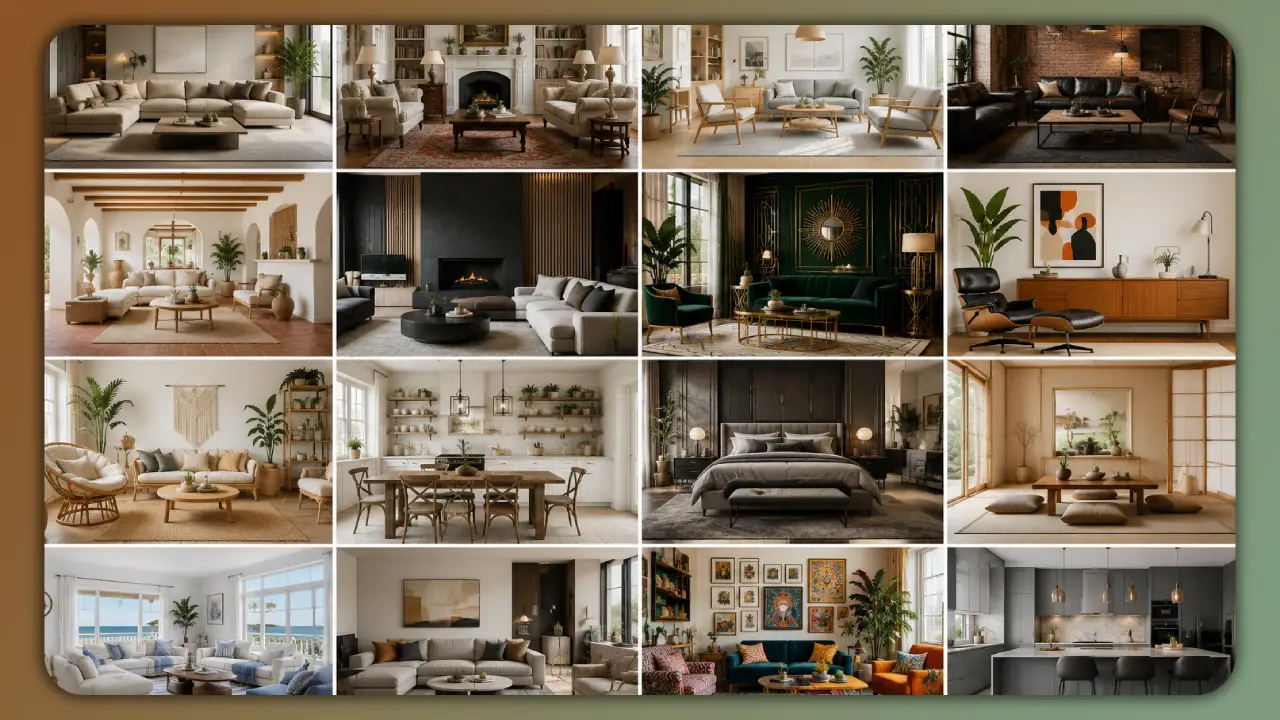
16 Types of Interior Design Styles to Know in 2026
There are 16 major types of interior design styles that homeowners in the search for most in 2026: Modern, Contemporary, Traditional, Transitional, Minimalist, Scandinavian, Industrial, Farmhouse, Bohemian, Mid-Century Modern, Coastal, Mediterranean, Art Deco, Japandi, Eclectic, and Maximalism. Each style uses a distinct mix of color, material, and furniture shape, so picking one changes every decision that follows, from paint swatches to sofa legs.
This guide breaks down all 16 types of interior design styles, shows the difference between the ones people confuse most (like Modern vs Contemporary), and gives you a simple method to pick or mix styles for your own home.
Getting the right interior design style right matters beyond looks. Real estate agents in the consistently report that a cohesive style, rather than a random mix of furniture from different eras, helps a home photograph better and sell faster, since buyers can picture themselves in a room that already reads as finished. Even on a rental budget, sticking to one of these 16 types of interior design styles keeps every future purchase working with what you already own instead of against it.
What Is an Interior Design Style?
An interior design style is a repeatable set of choices, color palette, materials, furniture shapes, and layout habits, that gives a room a consistent identity. Designers use these labels as shorthand: say “Scandinavian” and most people picture pale wood and white walls before seeing a single photo. Most real homes blend two or three styles rather than commit to one, but learning the base styles first makes any blend intentional instead of accidental. For general home decor ideas that apply across styles, Space Keep’s decor archive covers color, texture, and layout basics.
16 Types of Interior Design Styles for 2026
Below are the 16 interior design styles that show up most often in 2026 renovation searches across the world. Each entry covers the defining features, common materials, and the style it gets confused with most often.
Modern
Modern interior design means a specific era, the early-to-mid 20th century, not “anything new.” The style grew out of the Bauhaus movement, with clean lines, smooth surfaces, and a materials list of chrome, glass, and steel. Furniture sits low, ornamentation disappears, and one accent color breaks up an otherwise neutral room. Confused with Contemporary? Modern is fixed to a period; Contemporary keeps changing with the decade.
Contemporary
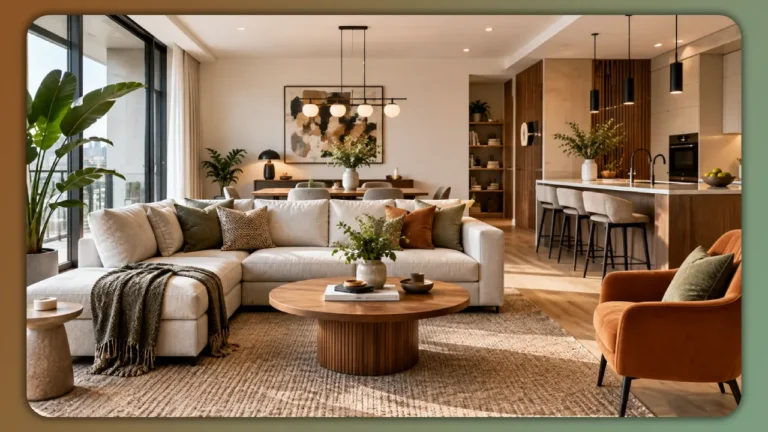
Contemporary interior design describes whatever is current right now, not one fixed period. Because the style updates every few years, a contemporary living room in 2026 mixes organic curves, natural stone, and matte black metal instead of the chrome and glass that defined it a decade ago. Rooms stay simple and uncluttered, but the material palette shifts with each design cycle.
Traditional
Traditional interior design draws from 18th and 19th century European homes and relies on symmetry. Crown molding, wainscoting, and dark wood furniture with carved detail set the architecture, while silk, velvet, and damask cover the seating. Layered lighting, a chandelier plus table lamps plus wall sconces, replaces a single overhead fixture in every room.
Transitional
Transitional interior design blends traditional furniture shapes with contemporary color and pattern. It suits anyone who finds full traditional decor too formal but full contemporary decor too cold. Accessories stay minimal on purpose, so the furniture and textiles carry the visual weight instead of side tables full of ornaments.
Minimalist
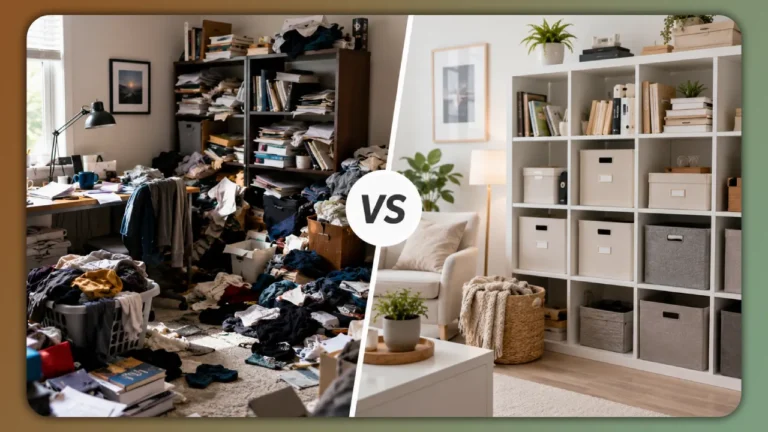
Minimalist interior design runs on one rule: remove anything that isn’t functional. A neutral palette, hidden storage, and multi-purpose furniture keep every room down to essentials. Unlike Scandinavian style, minimalist rooms skip the cozy textiles and warm wood tones and favor smooth surfaces and negative space instead. A full declutter before you decorate makes this style far easier to pull off, since minimalism fails fast in a room that’s still full of extra stuff.
Scandinavian
Scandinavian interior design pairs a “less is more” mindset with warmth, unlike stricter minimalism. Pale ash and oak wood, white or soft grey walls, and heavy natural light define the look, built around the Nordic concept of hygge (comfort and contentment). Cozy textiles like wool throws and sheepskin soften the otherwise clean lines.
Industrial
Industrial interior design exposes what other styles hide: brick, pipes, ductwork, and concrete. The look started in converted factories and warehouses across Western Europe and the US after old industrial buildings turned into housing stock. Black metal fixtures, Edison-bulb lighting, and raw or reclaimed wood furniture complete the aesthetic. Rustic design shares the raw materials but skips the factory hardware.
Farmhouse (Modern Farmhouse)
Modern farmhouse interior design keeps the cosy character of a traditional farmhouse but strips away the clutter. Shiplap walls, barn doors, and wide-plank floors set the architecture, while mixed metal finishes (black, brass, nickel) add contrast. Popularized by designers like Joanna Gaines, the style favors a neutral palette with the occasional sage green or burnt orange accent pulled from nature.
Bohemian
Bohemian (boho) interior design rewards pattern clashes and global objects over a matching furniture set. Rugs, textiles, and collected pieces from different cultures layer together, and no two rooms need to match. Plants, rattan, and animal hides ground the free-spirited palette. Eclectic design looks similar but works from a specific curated intent; boho leans looser and more nomadic.
Mid-Century Modern
Mid-century modern interior design preserves furniture shapes from 1950s and 1960s post-war America. Think tapered wood legs, an egg chair, or a wishbone chair. Teak, walnut, and rosewood define the wood tones, and mustard yellow or avocado green accents recall the original color era. Sliding doors and large windows extend the room toward the outdoors.
Coastal
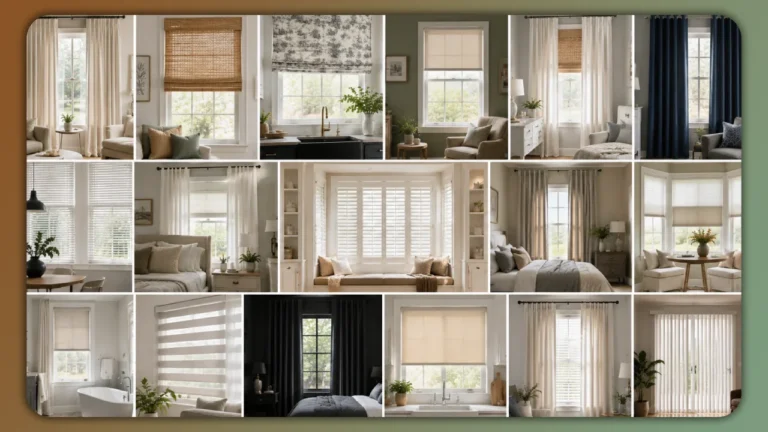
Coastal interior design evokes a beach without a single anchor or seashell in sight. Whites, sandy neutrals, and pops of ocean blue build the palette, while light, sheer curtains keep window treatments minimal. Wicker, jute, and painted or distressed wood furniture add a lived-in, breezy texture.
Mediterranean
Mediterranean interior design borrows arches, columns, and terracotta from Spain, Greece, and Italy. Wrought iron fixtures, patterned ceramic tile, and rich wood tones set the architecture, while a palette of terracotta, ochre, and deep blue carries the region’s warmth through every room.
Art Deco
Art Deco interior design turns 1920s and 1930s glamour into sharp geometry. Mirrored surfaces, glossy metal, and bold black-and-gold color schemes define the look, alongside oversized furniture with pointed edges. Originating in France before spreading to the US, the style still anchors hotel lobbies in Miami Beach and New York today.
Japandi
Japandi interior design merges Japanese wabi-sabi with Scandinavian hygge into one calm aesthetic. Low-profile wood furniture, visible joinery, and natural fibers like rattan and linen set the base, while a palette of pale oak against charcoal or deep brown carries the contrast that would otherwise come from color. Wabi-sabi itself centers on the beauty of imperfection and age, which is why Japandi rooms leave some materials looking handmade rather than factory-perfect.
Eclectic
Eclectic interior design combines pieces from different eras on purpose, not by accident. A Victorian armchair next to a mid-century light fixture works because every object earns its place through a shared color thread or texture story, not through matching. Start with a neutral base, then add curated accents one at a time.
Maximalism
Maximalist interior design runs on the opposite rule from minimalism: more is more. Saturated color, layered pattern, and displayed collections (art books, travel finds, collectibles) fill every surface on purpose. The style rewards editing more than any other on this list; capping a palette at 3 or 4 repeating colors keeps a maximalist room from reading as clutter instead of curation.
Interior Design Styles at a Glance
This quick comparison table lines up the 16 styles by color palette and signature material, so you can scan for a match before reading every section in full.
| Style | Key Colors | Signature Material | Best Room |
| Modern | Neutral + 1 accent | Chrome, glass, steel | Living room |
| Contemporary | Shifts yearly | Stone, matte metal | Any room |
| Traditional | Rich jewel tones | Carved dark wood | Dining room |
| Transitional | Warm neutrals | Mixed wood + metal | Living room |
| Minimalist | White, grey | Smooth composite | Small apartment |
| Scandinavian | White, pale wood | Ash, oak | Bedroom |
| Industrial | Grey, black, rust | Brick, exposed pipe | Loft, office |
| Farmhouse | Neutral + sage | Shiplap, mixed metal | Kitchen |
| Bohemian | Warm, saturated | Rattan, textiles | Living room |
| Mid-Century Modern | Mustard, avocado | Teak, walnut | Living room |
| Coastal | White, ocean blue | Wicker, jute | Bedroom |
| Mediterranean | Terracotta, ochre | Wrought iron, tile | Kitchen |
| Art Deco | Black, gold | Glossy metal, mirror | Entryway |
| Japandi | Oak, charcoal | Rattan, linen | Bedroom |
| Eclectic | Varies by piece | Mixed vintage | Living room |
| Maximalism | Saturated, layered | Velvet, pattern | Living room |
How to Choose the Right Interior Design Style for Your Home
Match your interior design style to how you actually live, not to a single photo you saved. Consider these 5 factors before committing to paint or furniture:
- Daily use: a busy family room needs durable fabrics and closed storage more than a formal traditional look allows.
- Natural light: rooms with limited windows brighten faster in Scandinavian or coastal palettes than in dark, moody maximalism.
- Architecture: original crown molding or exposed brick already points you toward traditional or industrial choices.
- Budget: minimalist and Scandinavian styles cost less to furnish since fewer pieces fill each room, and vintage-heavy eclectic or bohemian rooms can be built secondhand.
- Region and climate: coastal and Mediterranean palettes suit warmer, sun-heavy homes in the southern US, while Scandinavian and Japandi styles work well through the UK and Canada’s shorter daylight months.
If two styles pull at you equally, transitional design gives a tested middle ground between opposing looks. Working room by room also keeps the decision manageable; Space Keep’s room by room guides break the process down one space at a time.
How to Mix Different Interior Design Styles
Yes, mixing interior design styles works when one element ties the room together. Pick a shared color palette, a repeated material, or one dominant furniture era, then let a second style show up in accents only. A common, successful pairing mixes modern furniture with boho textiles, or industrial lighting over a traditional dining table.
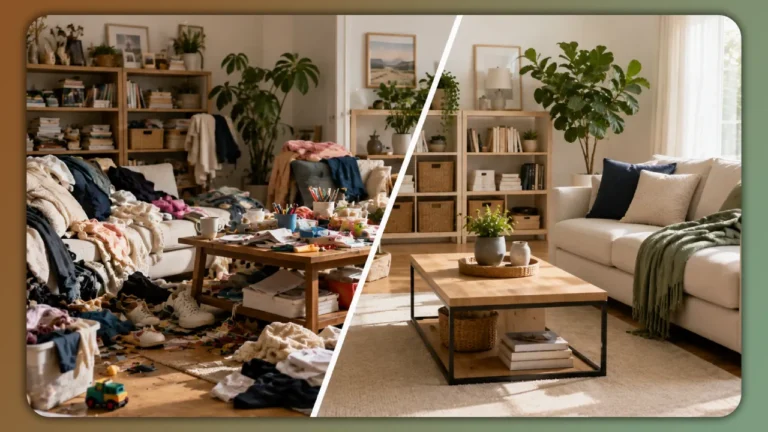
Keep roughly 70% of the room in your primary style and use the remaining 30% for the secondary style’s colors, textures, or one statement piece, so the mix reads as intentional rather than unplanned. If clutter from combining collections is holding a room back, decluttering vs organising explains which step to tackle first.
Interior Design Trends Shaping Homes in 2026
Several interior design styles are gaining ground in 2026 without becoming new categories on their own. Warm minimalism replaces the cold, all-white minimalist rooms of the last decade with light oak floors, limewash walls, and brass accents. Quiet luxury favors linen and bouclé upholstery, matte finishes, and a cream-and-stone palette over logos or bold statements. Biophilic design adds living walls, unfinished natural materials, and large windows aimed at greenery, building on research linking indoor plants to lower stress.
English country revival (also called grandma chic) brings back chintz, florals, and mismatched vintage furniture, layered with more intention than the original look ever had. None of these fully replace the 16 core interior design styles above; they mostly reshape how homeowners execute Scandinavian, minimalist, and traditional looks for the current year. Organic modern design, a style that pairs modern minimalism with curved furniture and raw materials like linen, oak, and unglazed ceramic, sits at the intersection of several 2026 trends and works as an easy entry point if warm minimalism and biophilic design both appeal to you.
Interior Design Styles by Room
Some interior design styles work better in specific rooms than others:
- Living room: transitional, modern farmhouse, and eclectic styles handle daily traffic and mixed-use furniture well.
- Bedroom: Japandi, Scandinavian, and coastal styles suit a calmer, low-stimulation space built for rest.
- Kitchen: modern farmhouse and Mediterranean styles pair well with the tile, wood, and stone finishes kitchens already need.
- Home office: industrial and mid-century modern styles both support the clean-lined furniture a workspace needs.
If storage is the bigger challenge in any of these rooms before style even comes into play, Space Keep’s decluttering guides and storage and simple living archive walk through where to start.
Frequently Asked Questions
What are the most popular types of interior design styles in 2026?
Modern, contemporary, transitional, Scandinavian, minimalist, farmhouse, and boho remain the most searched interior design styles across the in 2026, alongside newer entries like Japandi and warm minimalism.
Can you mix different interior design styles in one room?
Yes, mixing styles works as long as one shared element, color, material, or furniture era, ties the room together. Keep roughly 70% of the room in a primary style and use the rest for a second style’s accents.
What is the difference between modern and contemporary interior design?
Modern design refers to a fixed historical period (the early-to-mid 20th century), while contemporary design describes whatever style is current right now and keeps shifting with each decade.
Which interior design style works best in a small apartment?
Minimalist and Scandinavian styles work best in small apartments, since both rely on multi-purpose furniture, hidden storage, and a light, neutral palette that keeps a compact room from feeling cramped.
Is Scandinavian design the same as minimalist design?
No, Scandinavian design is not the same as minimalist design. Both favor clean lines and a light palette, but Scandinavian rooms add cozy textiles and warm wood tones that strict minimalism leaves out.
What interior design style is trending in the right now?
Warm minimalism, quiet luxury, and biophilic design lead 2026 searches across the , each building on existing Scandinavian, minimalist, and organic modern styles rather than replacing them.
How do I find my personal interior design style?
Save 15 to 20 photos of rooms you like, then look for the pattern: the repeated color, material, or furniture shape across those photos usually points straight to your style, or a mix of two. If the same three or four colors keep showing up, that palette is a faster starting point than the style label itself.
Final Thoughts
Picking from these 16 types of interior design styles gets easier once you match the style to daily use, light, budget, and climate instead of a single inspiration photo. Start with one primary style, borrow accents from a second, and adjust room by room. For more home organisation and decorating guides built around a real home rather than a showroom, browse Space Keep’s blog or visit the About Us page to learn more.