
Why Decluttering Is Important for Self-Care and Wellness in 2026
Decluttering matters for self-care because your home affects your attention, stress level, routines, and sense of control. Removing unnecessary possessions reduces visual distractions and creates a space that supports rest, focus, and daily care.
Clutter does not affect every person in the same way. Research from health and psychology sources links perceived clutter with stress, lower wellbeing, poorer focus, and reduced satisfaction. Your personal comfort level matters, so you do not need an empty room to create a healthy environment.
Self-care includes actions that support physical and mental health. The National Institute of Mental Health describes self-care as activities that help you live well, manage stress, and support health. Decluttering can fit that role when the task makes your home easier to use and your routines easier to maintain.
Decluttering also creates a visible result. Cleveland Clinic psychologist Dawn Potter explains that cleaning can restore a sense of control when other problems feel difficult to manage. A finished drawer, desk, or bedside table gives you immediate evidence of progress.
The goal does not involve perfection. The goal involves removing possessions that create unnecessary work, visual noise, or repeated decisions. A calm home can then support sleep, movement, hobbies, family time, and other forms of self-care.
How Does Decluttering Affect Mental and Emotional Wellbeing?
Decluttering supports mental and emotional wellbeing by reducing visual interruptions and giving you greater control over your surroundings. A smaller volume of visible possessions gives your attention fewer competing signals to process.
A 2026 Everyday Health review describes research linking clutter with attention problems, procrastination, stress, and lower mental wellbeing. The review also notes that acceptable clutter differs between people. Your target should therefore reflect your needs rather than another person’s standard.
How Does Visual Clutter Increase Mental Load?
To reduce visual clutter, remove objects that you do not use, need, or value. A crowded worktop, open shelf, or floor pile presents repeated visual information every time you enter the room.
The brain must then filter those signals while you complete another task. Fewer visible objects reduce competing cues. The change helps you direct attention toward cooking, reading, working, exercising, or resting.
Researchers have also studied home environments and cortisol patterns. A UCLA-linked study found an association between descriptions of cluttered homes and less healthy daily cortisol patterns among women. The finding supports a relationship between home conditions and stress physiology.
How Can Decluttering Improve Your Sense of Control?
To improve your sense of control, choose one area where clutter creates daily friction. Start with a bedside table, kitchen counter, desk, or entryway shelf.
Cleveland Clinic reports that people can experience cleaning as a way to restore control. You choose the task, make decisions, remove items, and see the finished result.
That sequence gives you a clear beginning and ending. The result also reduces future work because fewer objects need cleaning, moving, finding, or storing.
When Does Decluttering Stop Supporting Wellness?
To keep decluttering healthy, stop when the space supports your daily needs. Decluttering stops serving self-care when the task becomes an obsession or prevents you from doing other meaningful activities.
Everyday Health cites experts who describe clutter as subjective. One person may feel comfortable with books, art, and family objects. Another person may need open surfaces and minimal visual detail.
Choose a standard that helps you function. Do not chase an unrealistic picture of a perfect home.
What Physical Wellness Benefits Can Decluttering Support?
Decluttering can support physical wellness by improving movement, cleaning access, sleep conditions, and household safety. Removing unnecessary items creates clearer routes and makes routine cleaning easier.
A cluttered floor can hide trip hazards such as loose cables, shoes, toys, and boxes. A crowded surface can also make dust removal harder. Removing excess possessions gives you more access to floors, shelves, corners, and frequently used areas.
How Can Decluttering Support Better Sleep?
To support better sleep, clear the items that do not belong in your bedroom. Keep the bed area, walking route, and bedside surface functional.
Start with the bedside table. Remove old receipts, empty packaging, unused chargers, and unrelated paperwork. Keep only the items that support your night routine, such as a lamp, book, water glass, or charger.
A calmer bedroom can reduce visual interruptions before sleep. Decluttering does not treat insomnia or replace medical care, but it can improve the conditions around your bedtime routine.
How Can Decluttering Improve Cleaning and Movement?
To improve cleaning and movement, clear floors and high-use surfaces before organising storage. Remove broken items, duplicate products, and possessions that block access.
Keep a walking route at least 30 inches (76 cm) wide where your home layout allows. Use that space for normal movement between doors, furniture, and frequently used areas.
Clear space also helps you clean faster. A vacuum can reach more floor area, a cloth can reach more surfaces, and household members can return items without moving other objects first.
How to Declutter for Self-Care Without Feeling Overwhelmed
To declutter for self-care, choose one small zone, set a 15-minute timer, and finish that zone before starting another. A short completed session creates progress without turning self-care into another exhausting obligation.
Do not begin with the largest room. Start with a visible area that you can finish within one session. Good examples include one drawer, one shelf, one bedside table, or one section of a kitchen counter.
How to Choose a Wellness-Focused Decluttering Zone
To choose a wellness-focused zone, select the space that creates the most daily irritation. A crowded desk can affect work focus. A messy bedroom can affect your evening routine. An overloaded entryway can create stress each morning.
Write one clear goal before you begin. Use goals such as “clear the desk surface” or “remove unused bathroom products.” A specific target prevents unnecessary decisions.
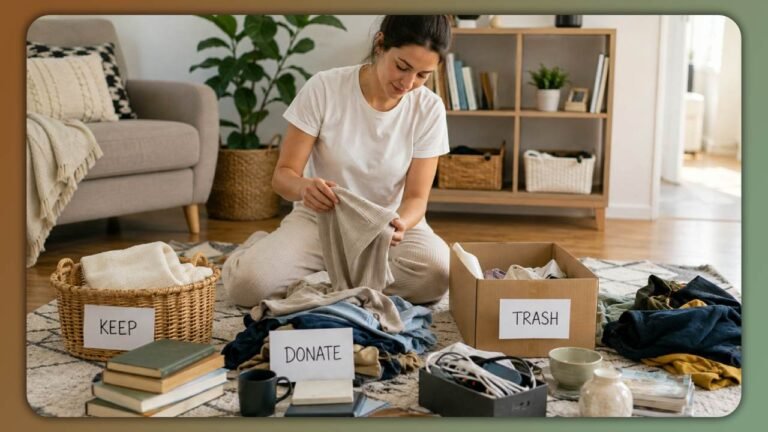
Use 3 sorting groups: Keep, Remove, and Relocate. Keep items that serve your current life. Remove items that you no longer need or use. Relocate items that belong somewhere else.
How to Declutter in 15-Minute Sessions
To declutter in 15-minute sessions, work continuously until the timer ends. Use a phone alarm or kitchen timer. Avoid checking messages during the session.
Handle one item at a time. Decide where the item belongs immediately. Put the item in its final group rather than creating a large temporary pile.
Use 3 sessions across a week when one session cannot finish the zone. For example, use Monday for the desk, Wednesday for the bedside table, and Saturday for the entryway.
How to Make Decluttering Feel Like Self-Care
To make decluttering feel like self-care, connect the task with a benefit you value. Clear a chair so you can read. Clear a desk so you can work. Clear a bedroom surface so you can prepare for sleep.
Stop before exhaustion. A 15-minute reset can support your routine without consuming your evening. Self-care should protect your energy rather than compete with every other responsibility.
Which Decluttering Method Works Best for Wellness?
The best decluttering method uses clear decisions, short sessions, and an immediate exit route for unwanted items. Choose the method that matches your energy, attention, and available time.
Medical News Today describes decluttering as a process involving sorting, deciding, and organising. That sequence works well for wellness because you first reduce volume, then create order.
How to Use the Three-Group Method
To use the three-group method, sort every item into Keep, Remove, or Relocate. Keep the categories visible with 3 boxes, bags, or marked areas.
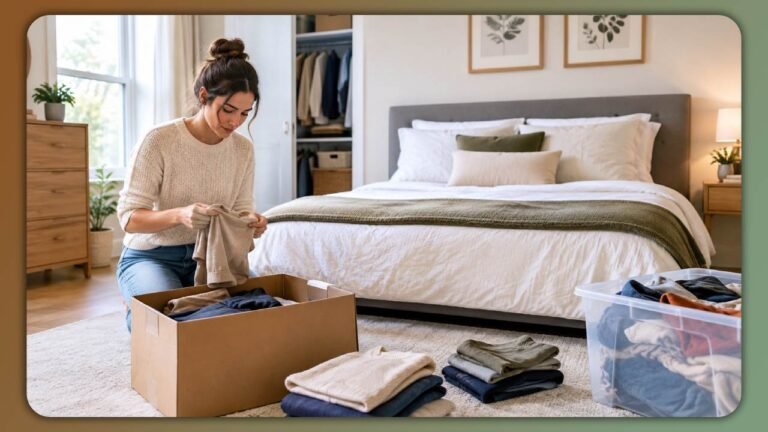
Use a donation box for usable clothing, books, and household goods. Use a recycling bag for suitable paper, cardboard, and electrical items. Use a Relocate basket for objects that belong in another room.
Remove the unwanted items from the room after the session. Leaving donation bags beside the door creates another visual task and delays the benefit.
How to Use the 12-Month Decision Rule
To use the 12-month decision rule, ask whether you used the item during the last year. Keep essential documents and safety items even when you rarely use them.
Keep seasonal items when you use them during their normal season. Examples include winter coats, camping equipment, holiday decorations, and gardening tools.
Question items that remain unused without a clear purpose. A duplicate kitchen gadget, unworn shirt, or broken storage box usually adds work without adding value.
How to Use the KonMari Method Without Chasing Perfection
To use the KonMari method, review belongings by category and keep items that support your values. Marie Kondo’s approach encourages people to consider the emotional response associated with possessions.
Use the method selectively if a full category review feels demanding. Start with clothing, books, papers, miscellaneous items, and sentimental possessions only when you have enough energy.
Do not treat any method as a requirement. University of Utah Health notes that people experience clutter differently and can choose a method that fits their preferences.
What Decluttering Tasks Should You Prioritise for Wellness?
Prioritise spaces that affect sleep, safety, focus, and daily routines. The fastest wellness gains usually come from high-use areas rather than hidden storage spaces.
Use the quick-reference table below to choose your first task. Each task uses a defined time and a simple method.
Quick-Reference Decluttering Plan
| Task | Timing | Method | Difficulty |
| Bedside table | 15 min | Keep, Remove, Relocate | Easy |
| Kitchen counter | 20 min | Clear and sort | Easy |
| Desk surface | 20 min | Sort by function | Easy |
| Wardrobe shelf | 30 min | 12-month rule | Moderate |
| Bathroom cabinet | 25 min | Check use and expiry | Moderate |
| Entryway | 20 min | Keep daily items only | Easy |
| Garage corner | 45 min | Work by zone | Hard |
The times provide a starting point, not a performance test. Stop when the selected zone works better for your routine.
How to Prioritise Bedroom and Rest Areas
To prioritise bedroom and rest areas, remove objects that interfere with sleep preparation. Start with the bedside table, floor route, and visible surfaces.
Use a 15-minute session for the bedside table. Use a 20-minute session for the floor route. Use a 30-minute session for one wardrobe shelf.
Keep frequently used items within easy reach. Store seasonal possessions elsewhere when the bedroom does not need them daily.
How to Prioritise Work and Focus Areas
To prioritise work and focus areas, clear the surface where you perform your main task. Remove old papers, duplicate stationery, unused cables, and unrelated objects.
Create 3 zones: active work, storage, and waste. Keep the active-work zone clear except for the tools needed for the current task.
A clear desk does not guarantee productivity. It removes one common source of visual distraction and makes the next task easier to start.
How to Maintain a Clutter-Free Home for Long-Term Wellness
To maintain a clutter-free home, use small recurring resets instead of waiting for another major clear-out. A 20-minute weekly reset can stop small piles from becoming large projects.
Maintenance works best when every item has a practical home. Store objects near the place where you use them. Keep daily items easy to reach and seasonal items in less accessible storage.
How to Build a Weekly Reset Routine
To build a weekly reset routine, choose the same day and time each week. Set a 20-minute timer and focus on high-use areas.
Clear the kitchen counter, entryway, living room surfaces, and bedroom floor. Return misplaced objects to their fixed locations. Remove rubbish and prepare donation items for their next destination.
Use a 1-in, 1-out rule for categories that grow quickly. Apply the rule to clothing, mugs, books, and children’s toys. Remove one suitable item when you bring another item into that category.
How to Prevent New Clutter From Returning
To prevent new clutter, pause before buying items that duplicate something you already own. Ask whether the item serves a current need and where you will store it.
Keep a donation bag in a practical location. Add unused clothing, books, or household items as soon as you decide to release them.
Review the bag every 30 days. Donate suitable items, recycle appropriate materials, and dispose of damaged items through the correct local route.
How to Declutter Without Buying More Storage
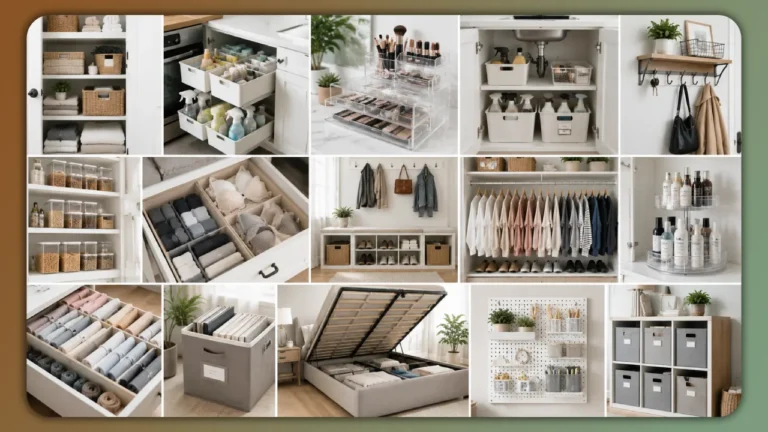
To declutter without buying more storage, sort possessions before purchasing boxes, baskets, or organisers. SpaceKeep recommends reducing the number of items first, then measuring the remaining storage needs.
Measure shelves and cabinets before buying containers. Use both dimensions when comparing products, such as 16 inches (41 cm) wide by 12 inches (30 cm) deep.
If you need a room-by-room starting point, use the guide to . The guide separates removing excess items from organising what remains.
What Mistakes Can Reduce the Wellness Benefits of Decluttering?
The biggest mistake involves turning decluttering into another source of pressure. Self-care improves when decluttering reduces work rather than creating a new standard you feel forced to maintain.
Health sources also warn against excessive focus on order. Everyday Health notes that decluttering stops serving self-care when the task becomes obsessive or takes attention away from other parts of life.
How to Avoid Perfectionism During Decluttering
To avoid perfectionism, define “finished” before you start. A finished desk needs enough clear space for your normal work. It does not need an empty surface.
Use functional targets instead of appearance targets. Aim to find daily items within 30 seconds, walk safely through the room, or clear the surface used for meals.
If you struggle to identify clutter problems, review these signs and . The checklist focuses on practical signs such as duplicate purchases and crowded surfaces.
How to Avoid Decluttering Items You Still Need
To avoid removing useful items, protect legal, financial, medical, safety, and seasonal possessions. Keep passports, tax records, insurance documents, emergency supplies, and essential tools.
Use a 12-month review for ordinary household items. Use a purpose test for items you rarely use. Keep an item when a clear current purpose justifies its storage cost.
Do not discard another adult’s possessions without permission. Shared spaces require shared decisions, while personal possessions require personal decisions.
How to Avoid Replacing Clutter With Storage
To avoid replacing clutter with storage, remove excess possessions before buying organisers. New containers can hide unused items without solving the underlying volume problem.
Use existing boxes during the sorting stage. Buy permanent storage only after you know what remains and where each category belongs.
If you want a purchase-free starting method, read how to . The process focuses on decisions before products.
Frequently Asked Questions
Does decluttering really support self-care?
Yes. Decluttering can support self-care when the process reduces daily stress, visual distraction, and household work. Choose tasks that improve your routines rather than tasks that satisfy perfectionism.
Can decluttering reduce stress and anxiety?
Yes. Research links perceived clutter with stress, lower wellbeing, and attention problems. Decluttering does not replace mental health treatment, but a calmer environment can support daily coping.
How long should a self-care decluttering session last?
15 to 20 minutes works well for a routine session. Short sessions limit fatigue and create a clear finish point. Use longer sessions only when you have enough energy and time.
Should I declutter my whole home at once?
No. Start with one small zone, such as a drawer, shelf, bedside table, or desk. Cleveland Clinic recommends reasonable expectations instead of pressuring yourself to finish everything at once.
What should I remove first when clutter feels overwhelming?
Remove obvious rubbish and unused items from one visible area first. Start with empty packaging, broken objects, duplicates, and items you no longer use. Then sort the remaining possessions into clear groups.
Conclusion
Decluttering supports self-care when your home becomes easier to use, clean, rest in, and enjoy. Start with one 15-minute zone today, remove what no longer serves your routine, and keep the system simple. For practical warning signs and a clear starting point, use SpaceKeep’s guide to . A calmer space grows through small weekly habits and deliberate decisions.